
The Anatomy of a Hiking Boot: Built for the Outdoors
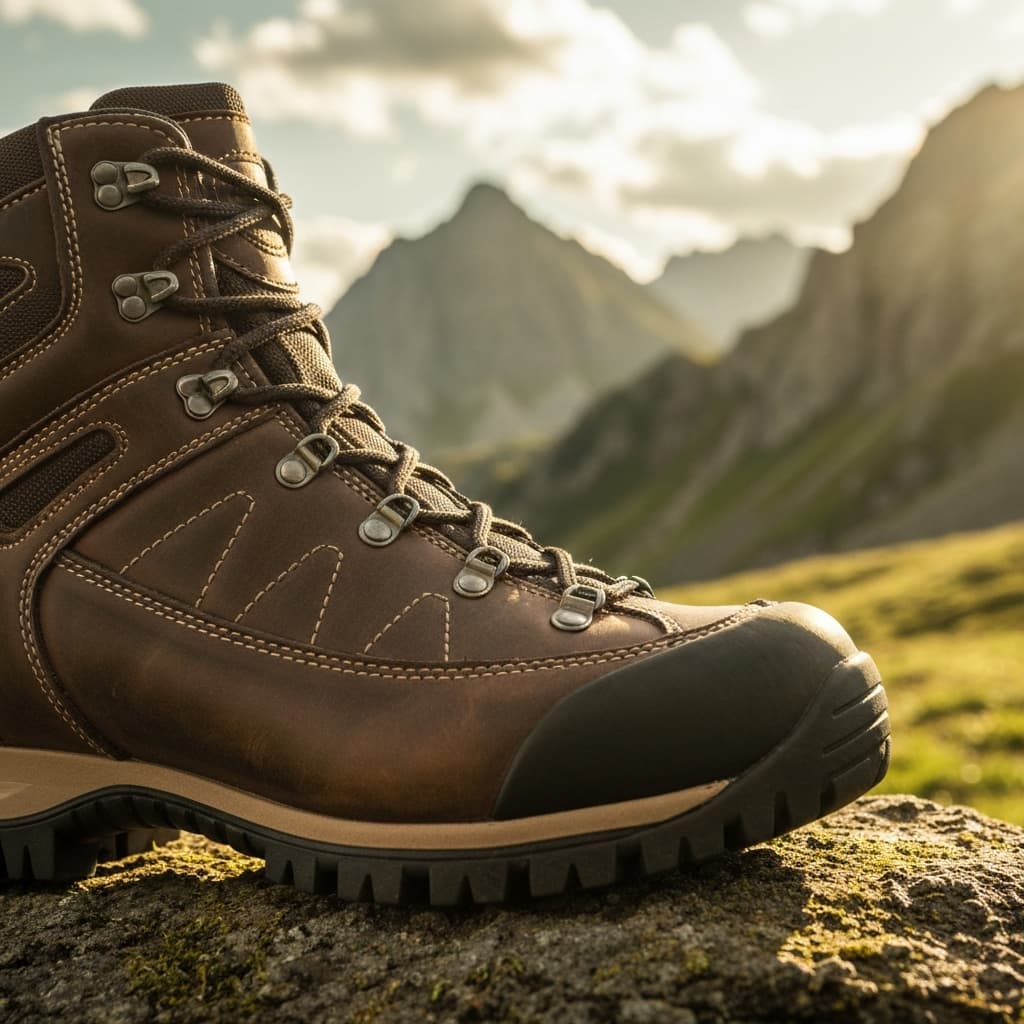
The Anatomy of a Hiking Boot: Built for the Outdoors
When you lace up a pair of hiking boots, you're not just putting on footwear; you're donning a piece of specialized equipment designed to tackle rugged terrain. Every component, from the sole to the laces, plays a crucial role in providing comfort, support, and protection. Let's dissect the anatomy of a modern hiking boot.
1. The Outsole: Your Connection to the Trail
The outsole is the foundation of the boot, making direct contact with the ground. Its primary function is to provide grip and traction. Key features include:
- Lug Pattern: Deep, aggressive treads (lugs) are designed to bite into various surfaces like mud, rock, and dirt, preventing slips. The spacing and shape of the lugs are critical for shedding mud and debris.
- Material: Typically made from durable rubber compounds, the outsole needs to be tough enough to withstand abrasion while remaining flexible for natural foot movement. Different rubber formulations offer varying levels of grip and longevity.
2. The Midsole: Cushioning and Stability
Sandwiched between the outsole and the upper, the midsole provides cushioning and shock absorption. It's engineered to:
- Absorb Impact: Reduce the stress on your feet and joints with each step, especially on hard surfaces or during long treks.
- Provide Support: Often includes shanks or plates to add stiffness and support to the arch of the foot, preventing fatigue on uneven terrain.
- Materials: Common midsole materials include EVA (Ethylene Vinyl Acetate) for its lightweight cushioning and shock absorption, and PU (Polyurethane) for greater durability and support.
3. The Upper: Protection and Comfort
The upper is the part of the boot that encases the foot. It must be durable, breathable, and protective. Key elements include:
- Materials: Uppers can be made from full-grain leather (highly durable and water-resistant), split-grain leather combined with nylon (lighter and more breathable), or synthetic materials (quick-drying and lightweight).
- Waterproofing: Many hiking boots feature waterproof membranes (like Gore-Tex) to keep feet dry from external moisture while allowing internal perspiration to escape.
- Ankle Collar and Padding: Provides support and cushioning around the ankle to prevent injuries and enhance comfort. Higher collars offer more support for rough terrain.
- Gusseted Tongue: This is a tongue attached to the upper along the sides, preventing debris like dirt, pebbles, and water from entering the boot through the lacing area.
4. Lacing System and Hardware
The lacing system ensures a secure and adjustable fit. Eyelets and hooks are usually made of durable metal or reinforced synthetic materials to withstand the tension and outdoor elements.
Conclusion
The design of a hiking boot is a sophisticated blend of materials and engineering, all aimed at enhancing your experience in the great outdoors. Understanding these components can help you choose the right pair for your adventures.
Keywords
Content Team
Footwear Forward Group is a premier shoe manufacturer in Turkiye with 50 years of experience.