Sustainable Materials in Footwear Production

The Rise of Sustainable Materials in Footwear Production
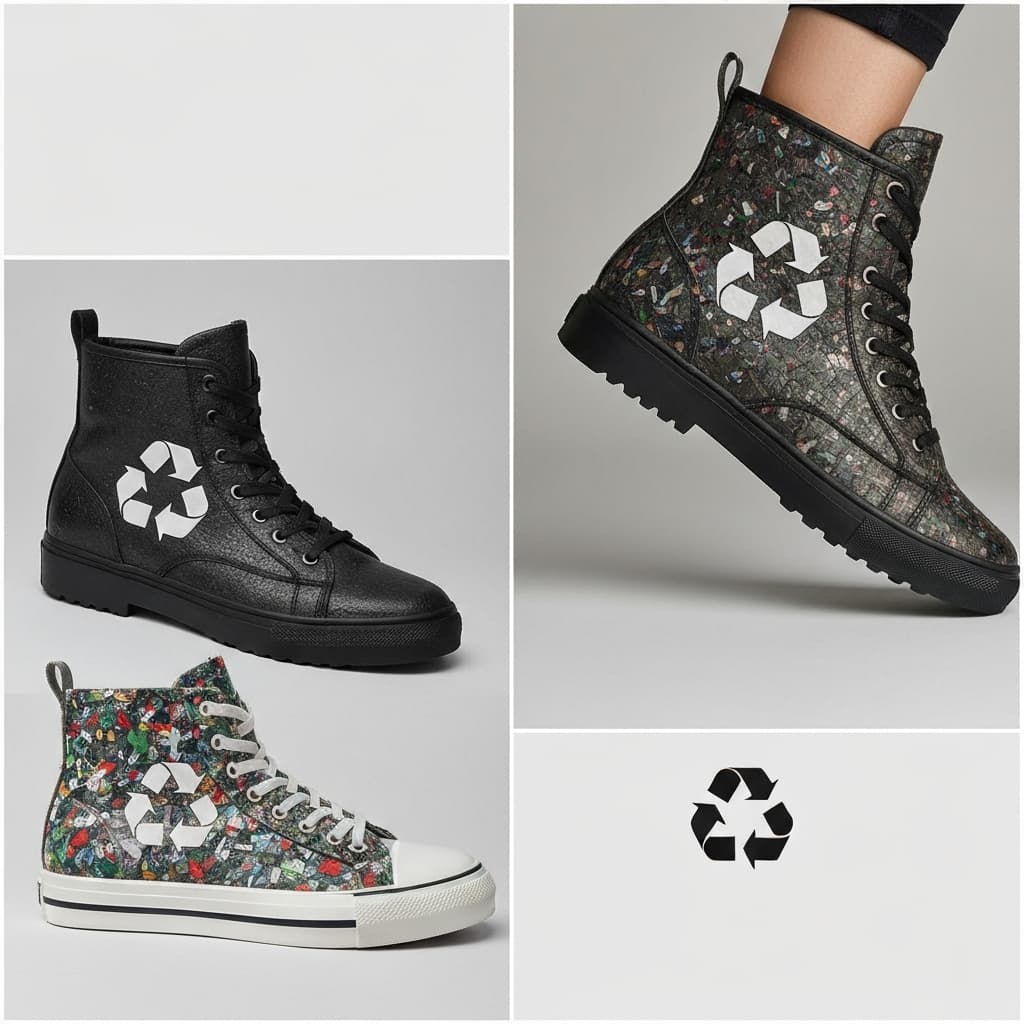
The footwear industry is undergoing a significant transformation, driven by increasing consumer demand for eco-friendly products and a growing awareness of environmental impact. Material innovation is at the forefront of this shift, with manufacturers exploring and adopting a wide range of sustainable alternatives to traditional components.
Why Sustainable Materials Matter
Traditional footwear production often relies on petroleum-based plastics, water-intensive cotton, and leathers sourced from industries with high environmental footprints. Sustainable materials offer a way to reduce:
- Greenhouse gas emissions
- Water consumption
- Waste generation
- Reliance on non-renewable resources
Key Sustainable Material Innovations
The landscape of sustainable footwear materials is rapidly expanding. Here are some of the most exciting developments:
1. Recycled Materials
Repurposing waste is a cornerstone of sustainable production. This includes:
- Recycled PET Bottles: Used to create durable yarns and fabrics for uppers and linings.
- Recycled Rubber: Sourced from old tires and industrial waste, it's used for outsoles, offering excellent grip and longevity.
- Recycled Foam: Often derived from post-consumer shoe waste, this is incorporated into midsoles and insoles for cushioning.
2. Plant-Based & Bio-Based Alternatives
Harnessing the power of nature, these materials offer performance comparable to conventional options with a lower environmental cost:
- Plant-Based Leathers: Innovations using pineapple leaf fibers (Piñatex), mushroom mycelium (Mylo), apple waste, and cactus leaves are creating leather-like materials that are vegan and biodegradable.
- Cork: A natural, renewable resource harvested from cork oak trees, it's used for insoles and decorative elements due to its lightweight and cushioning properties.
- Natural Rubber: Harvested from rubber trees, it's a renewable alternative for outsoles and other components.
- Organic Cotton & Hemp: Grown without synthetic pesticides and fertilizers, these natural fibers are used for uppers and linings.
3. Innovative Synthetics
Even synthetic materials are getting a sustainable makeover:
- Bio-based EVA: Ethylene-vinyl acetate foam made partially from sugarcane, reducing reliance on fossil fuels.
- Recycled Nylon: Often sourced from fishing nets and industrial waste, offering strength and durability.
The Future is Sustainable
As technology advances and material science deepens, the options for sustainable footwear production will only continue to grow. By embracing these innovations, manufacturers can reduce their environmental impact while meeting the evolving demands of conscious consumers. At Footwear Forwarder, we understand the importance of these choices and can help prototype and produce footwear using a variety of these advanced, eco-friendly materials, regardless of order size, thanks to our no MOQ policy. Explore the possibilities and step towards a greener future.
Keywords
Content Team
Footwear Forward Group is a premier shoe manufacturer in Turkiye with 50 years of experience.