A Look Back at 2025: The Year in Footwear Innovation
A Look Back at 2025: The Year in Footwear Innovation
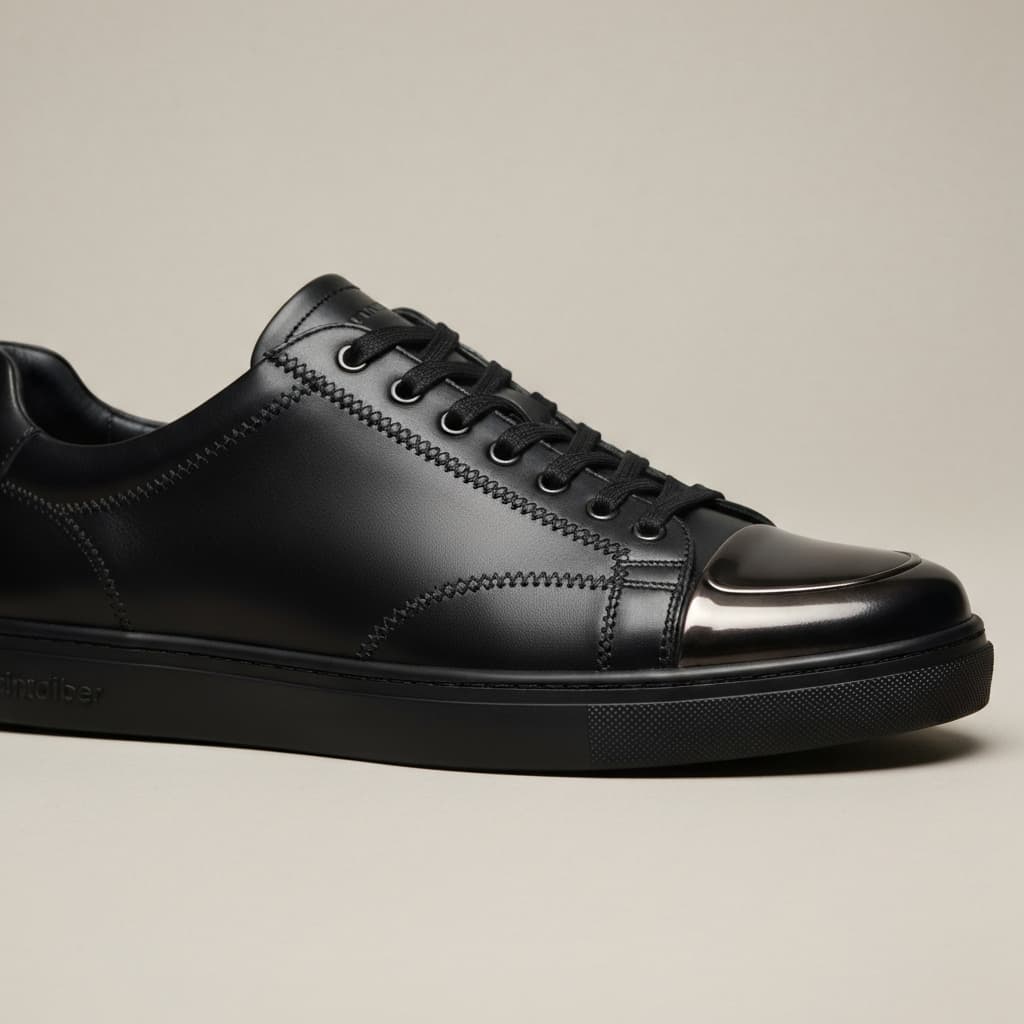
As 2025 draws to a close, the footwear industry has once again demonstrated its relentless pace of innovation. From sustainable material breakthroughs to cutting-edge comfort technologies and unexpected design collaborations, this year has been a dynamic period for shoe design and manufacturing. Let's take a moment to reflect on the key developments that have shaped the footwear landscape.
Major Trends Defining 2025
- Sustainable Materials Take Center Stage: The push for eco-friendly footwear intensified. We saw wider adoption of recycled plastics, plant-based leathers derived from mushrooms and pineapple leaves, and bio-based foams for midsoles. Brands focused on transparency, providing consumers with clearer information about the environmental impact of their choices.
- Performance Meets Everyday Comfort: The lines between athletic performance wear and casual lifestyle shoes continued to blur. Innovations in cushioning technology, adaptive fit systems, and lightweight construction made their way into everyday wear, offering unparalleled comfort and support for the modern consumer.
- 3D Printing and Customization: While not entirely new, 3D printing technologies saw significant advancements, enabling more intricate designs and on-demand customization. This allowed for faster prototyping and the creation of truly personalized footwear experiences, moving closer to mass customization.
Surprising Collaborations and Design Statements
2025 was a year for unexpected partnerships. We witnessed collaborations that fused high fashion with athletic heritage, and tech companies venturing into the footwear space. These cross-industry ventures pushed creative boundaries, resulting in limited-edition releases that became instant collector's items and sparked significant conversation within the industry.
Technological Breakthroughs in Manufacturing
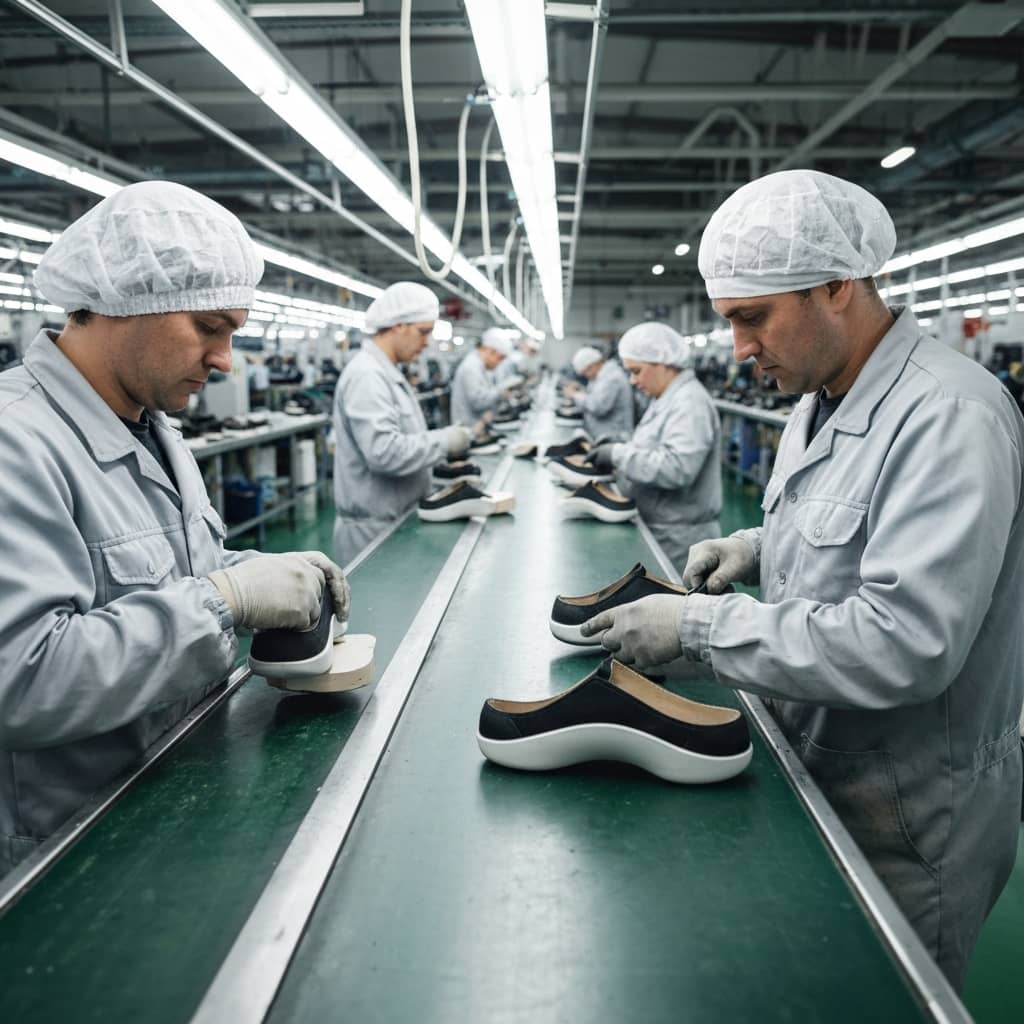
Behind the scenes, manufacturing processes also evolved. Advances in automation, AI-driven design tools, and more efficient, less wasteful production techniques became more prevalent. Companies like Footwear Forwarder, with their flexible manufacturing capabilities including No MOQ for prototypes, play a crucial role in allowing brands to test these new innovations and designs without the barrier of large production runs. This agility is vital in a market that demands rapid iteration and personalization.
Looking Ahead
The innovations of 2025 set a high bar. As we move forward, expect an even greater emphasis on sustainability, personalized experiences, and the seamless integration of technology into every aspect of footwear, from design to the wearer's interaction with their shoes.
Keywords
Content Team
Footwear Forward Group is a premier shoe manufacturer in Turkiye with 50 years of experience.