The Importance of Agile Manufacturing in a Fast-Fashion World
The Importance of Agile Manufacturing in a Fast-Fashion World
The footwear industry, like much of fashion, operates at an accelerated pace. Consumer demand shifts rapidly, driven by social media, celebrity endorsements, and fleeting trends. For brands to not just survive but thrive, their manufacturing and supply chain operations must mirror this speed and flexibility. This is where agile manufacturing becomes not just an advantage, but a necessity.
What is Agile Manufacturing?
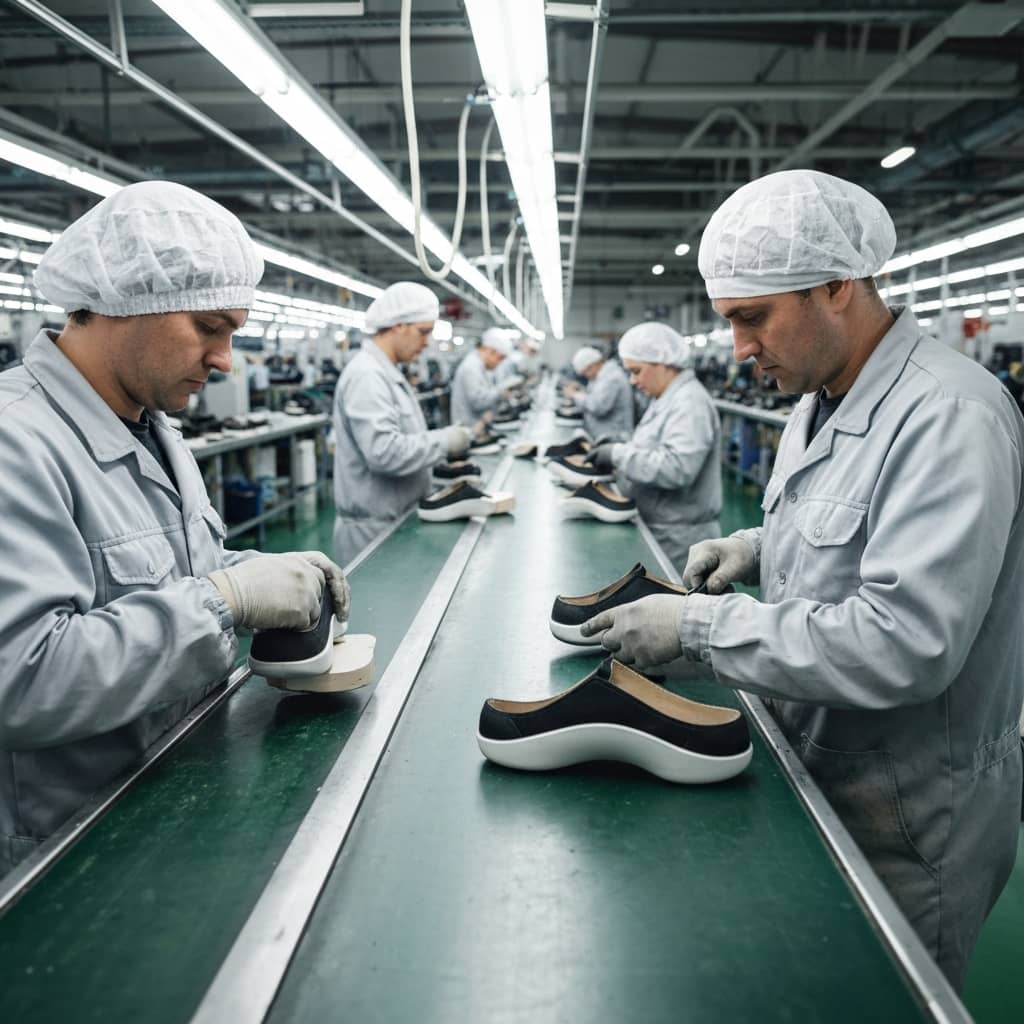
Agile manufacturing in footwear refers to the ability to respond quickly and efficiently to changes in customer demand, market trends, and production requirements. It's about minimizing lead times, optimizing production schedules, and being adaptable to new designs or material choices. Key elements include:
- Flexible Production Lines: Easily reconfigurable to switch between different styles, sizes, and even materials.
- Responsive Supply Chains: Strong relationships with reliable suppliers for rapid material procurement.
- Data-Driven Decisions: Utilizing real-time sales data and market insights to inform production.
- Skilled Workforce: Employees trained in diverse tasks and empowered to make quick adjustments.
Why It Matters in Footwear
In a fast-fashion environment, long production lead times can be detrimental. A trend that is hot today might be obsolete by the time a traditionally manufactured product hits the shelves. Agile manufacturing helps mitigate this risk by:
- Reducing Time-to-Market: Getting new designs from concept to consumer faster.
- Minimizing Inventory Risk: Producing in smaller, more frequent batches based on actual demand, reducing overstock.
- Enabling Customization: Allowing for quicker adaptation to specific market demands or even bespoke orders.
- Improving Competitiveness: Brands that can pivot quickly gain a significant edge over slower competitors.
Building an Agile Footwear Operation
Establishing an agile manufacturing process requires a strategic approach. This often involves:
- Investing in Technology: Utilizing advanced machinery and software for design, production, and inventory management.
- Strategic Sourcing: Partnering with suppliers, ideally in proximity such as Türkiye, known for its efficient logistics to Europe and the US and high-quality materials, to ensure timely material availability.
- Streamlining Processes: Eliminating bottlenecks and inefficiencies in every step from design to distribution.
- Embracing Flexibility: Being prepared to adjust production volumes and styles based on market signals. For instance, a manufacturer like Footwear Forwarder, with its No MOQ (Minimum Order Quantity) policy, offers unparalleled flexibility, allowing brands to test new styles or produce small batches without prohibitive minimums, a critical component of an agile strategy.
Ultimately, in the dynamic world of footwear, agility is key. Brands that embrace agile manufacturing principles are better equipped to navigate the ever-changing landscape, meet consumer desires, and maintain a competitive edge.
Keywords
Content Team
Footwear Forward Group is a premier shoe manufacturer in Turkiye with 50 years of experience.