Peeking into 2026: Predictions for the Footwear Industry

Peeking into 2026: Predictions for the Footwear Industry
The footwear industry is in constant flux, driven by innovation, changing consumer demands, and global economic shifts. As we look towards 2026, several key trends are poised to reshape how shoes are designed, manufactured, and sold. At Footwear Forwarder, with our 45 years of experience in Türkiye, we've observed these shifts closely. Here are our predictions for what the next few years might hold.
1. Hyper-Personalization and Customization
Consumers increasingly expect products tailored to their individual needs and preferences. In 2026, expect a surge in demand for personalized footwear. This goes beyond simply choosing colors; think custom-fit insoles, unique material combinations, and even design input from the customer. Technologies like 3D scanning and advanced manufacturing will be crucial in making this accessible.
2. Sustainability Takes Center Stage
The environmental impact of manufacturing is no longer a niche concern. By 2026, sustainable practices will be a baseline expectation. This includes:
- Material Innovation: Increased use of recycled, bio-based, and biodegradable materials.
- Circular Economy: Brands focusing on repairability, recyclability, and take-back programs.
- Transparent Supply Chains: Consumers demanding to know the origin and ethical production of their footwear.
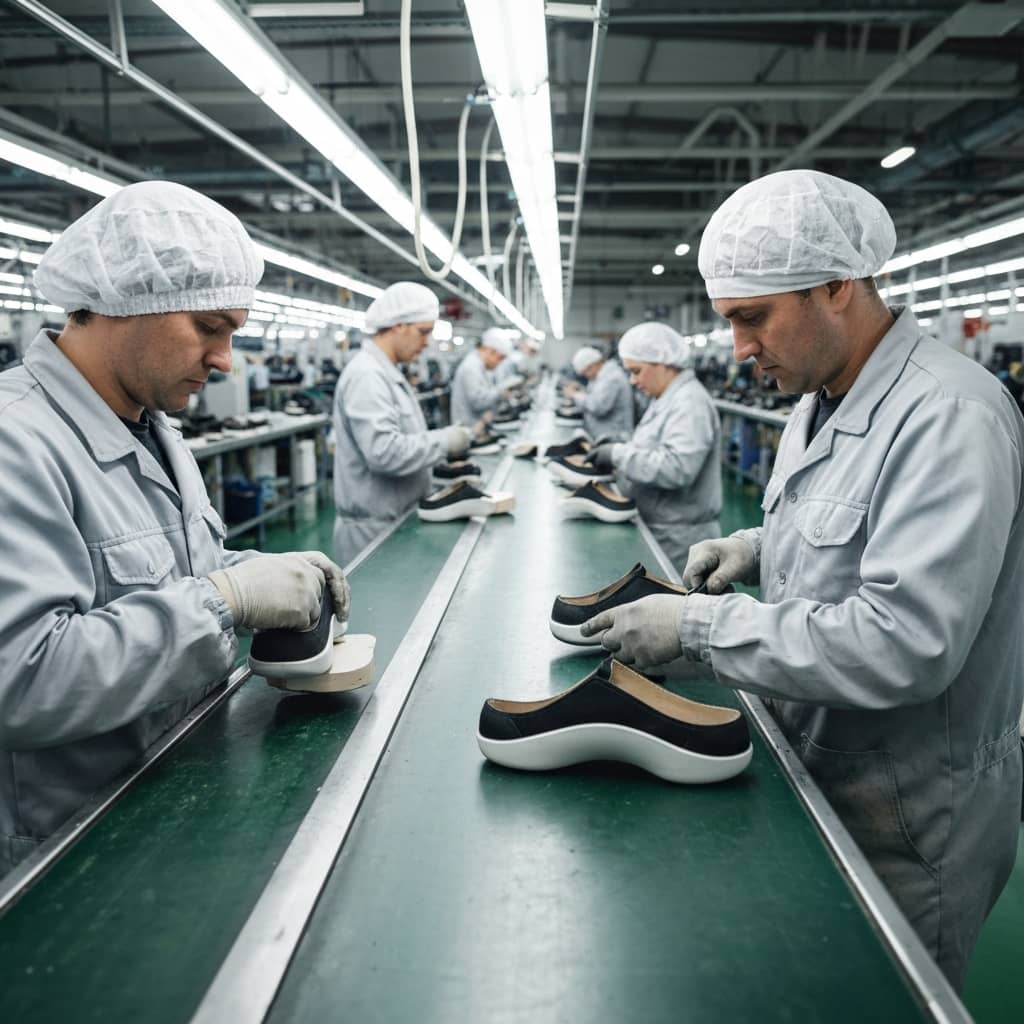
Manufacturing in hubs like Türkiye offers advantages in accessing high-quality, responsibly sourced materials and streamlined logistics to key markets.
3. The Rise of Digital and Phygital Experiences
The lines between online and offline shopping will continue to blur. Augmented Reality (AR) try-on experiences will become more sophisticated, allowing customers to visualize shoes on their feet before purchasing. E-commerce platforms will integrate virtual showrooms and personalized recommendations powered by AI. Simultaneously, physical retail spaces will evolve into experiential hubs, offering customization services and community engagement.
4. Resilient and Agile Supply Chains
Recent global events have highlighted the fragility of extended supply chains. By 2026, brands will prioritize building more resilient, localized, or regionalized supply chains. This means diversifying manufacturing bases and investing in technologies that allow for quicker response times to market changes. Having flexible manufacturing partners, like Footwear Forwarder which supports everything from single-pair prototypes to mass production with no MOQ, becomes invaluable in navigating this complexity.
5. Focus on Performance and Wellness
Beyond aesthetics, consumers will demand footwear that actively supports their health and performance. This includes shoes designed for specific athletic activities, enhanced comfort for everyday wear, and features that promote foot health and posture. Ergonomics and biomechanics will play a more significant role in design and material selection.
The footwear landscape of 2026 promises to be dynamic and innovative. Adapting to these trends will be key for brands and manufacturers aiming for long-term success. If you're exploring options for innovative footwear projects, understanding these shifts is the first step.
Keywords
Official Contributor
Footwear Forward Group is a premier shoe manufacturer in Turkiye with 50 years of experience.